Design — is a process of cognition, ordering, and reducing entropy. In design, we manage the unknown, discover and structure it.

manageunknown

GRAD

Customer
Year
Role
Context
Gazpromneft
2020 – 2025
Art-director
Launch of a service for geologists, a stage of hypotheses and active expansion of functions
About the project
GRAD — Geology, Engineering and Data Analysis.
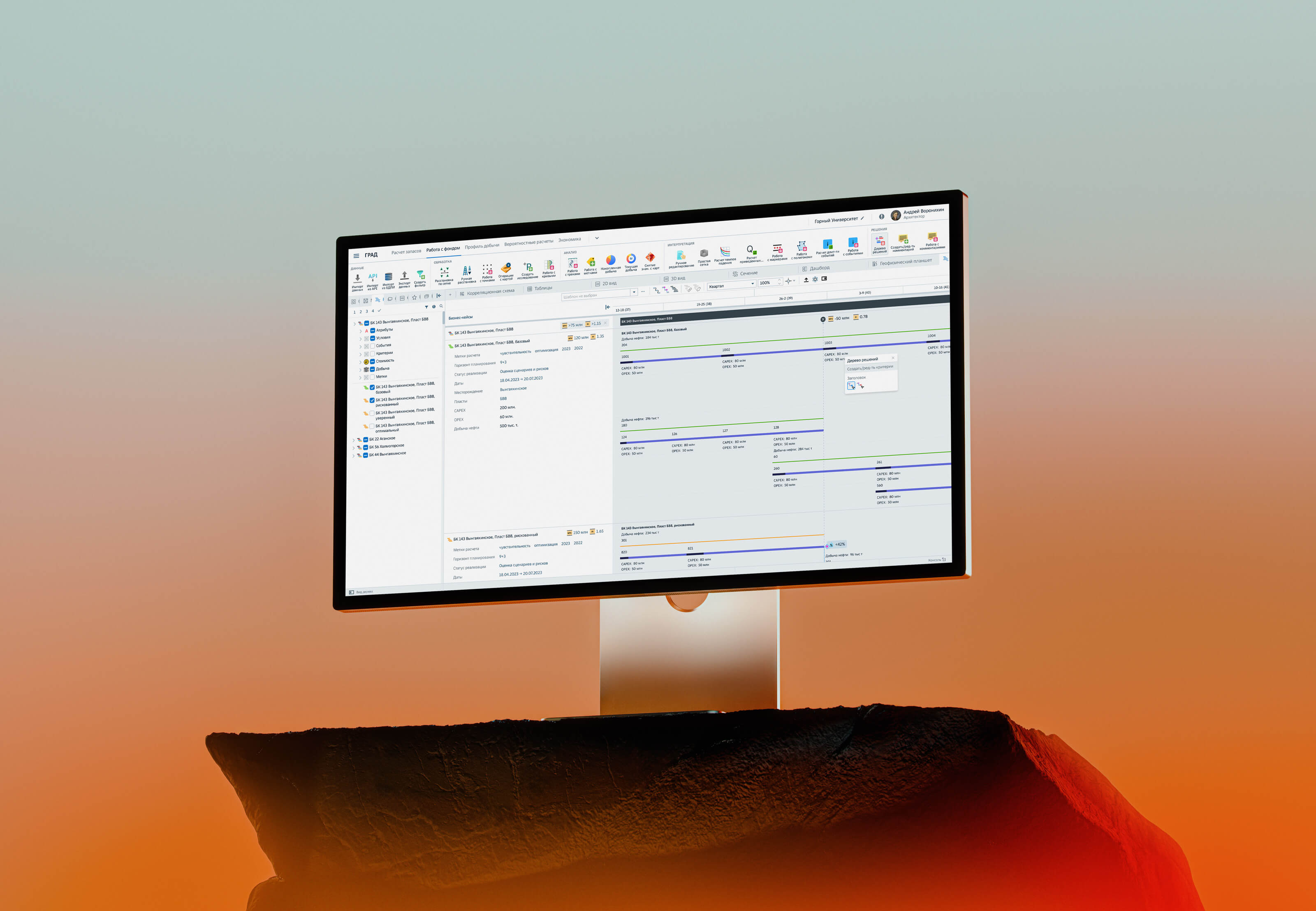
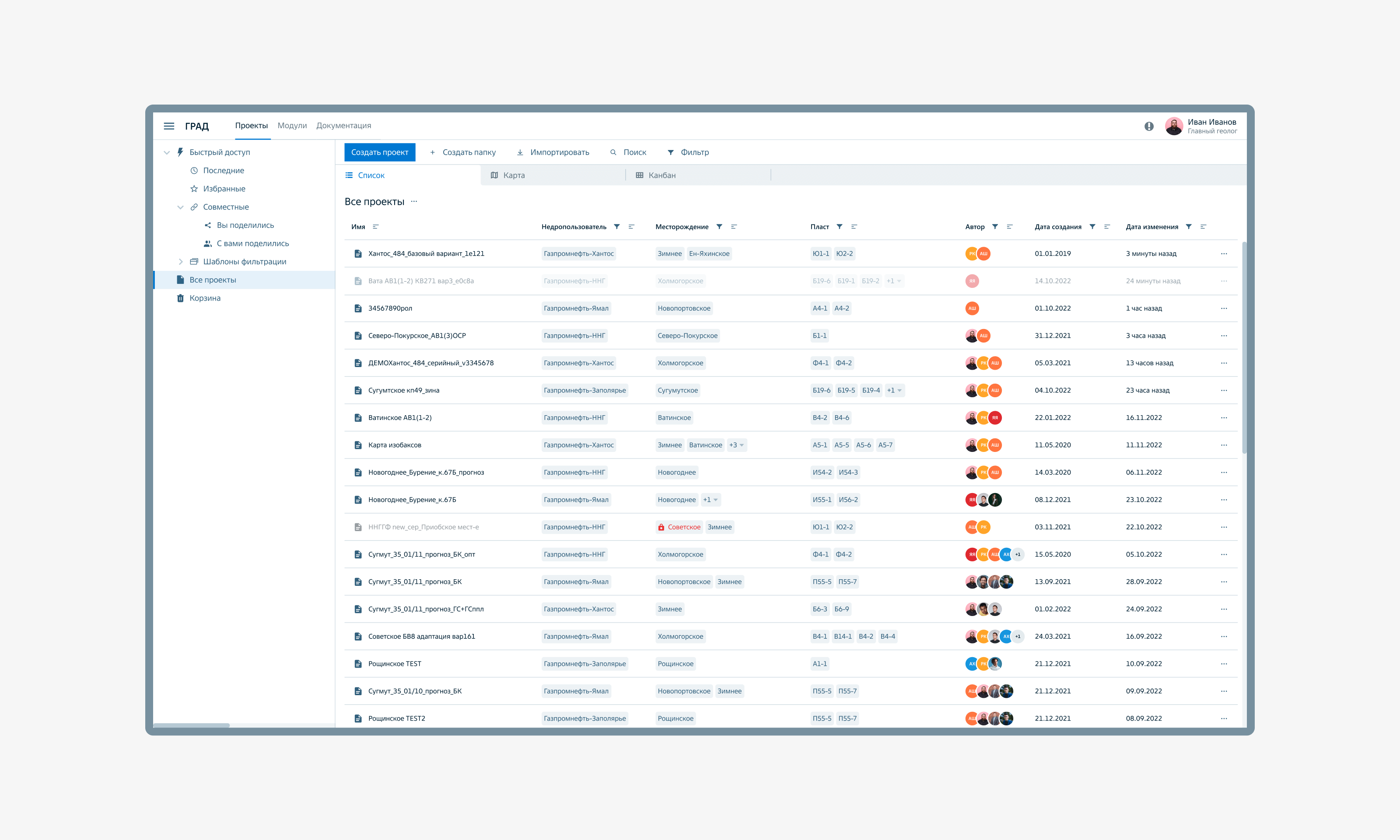
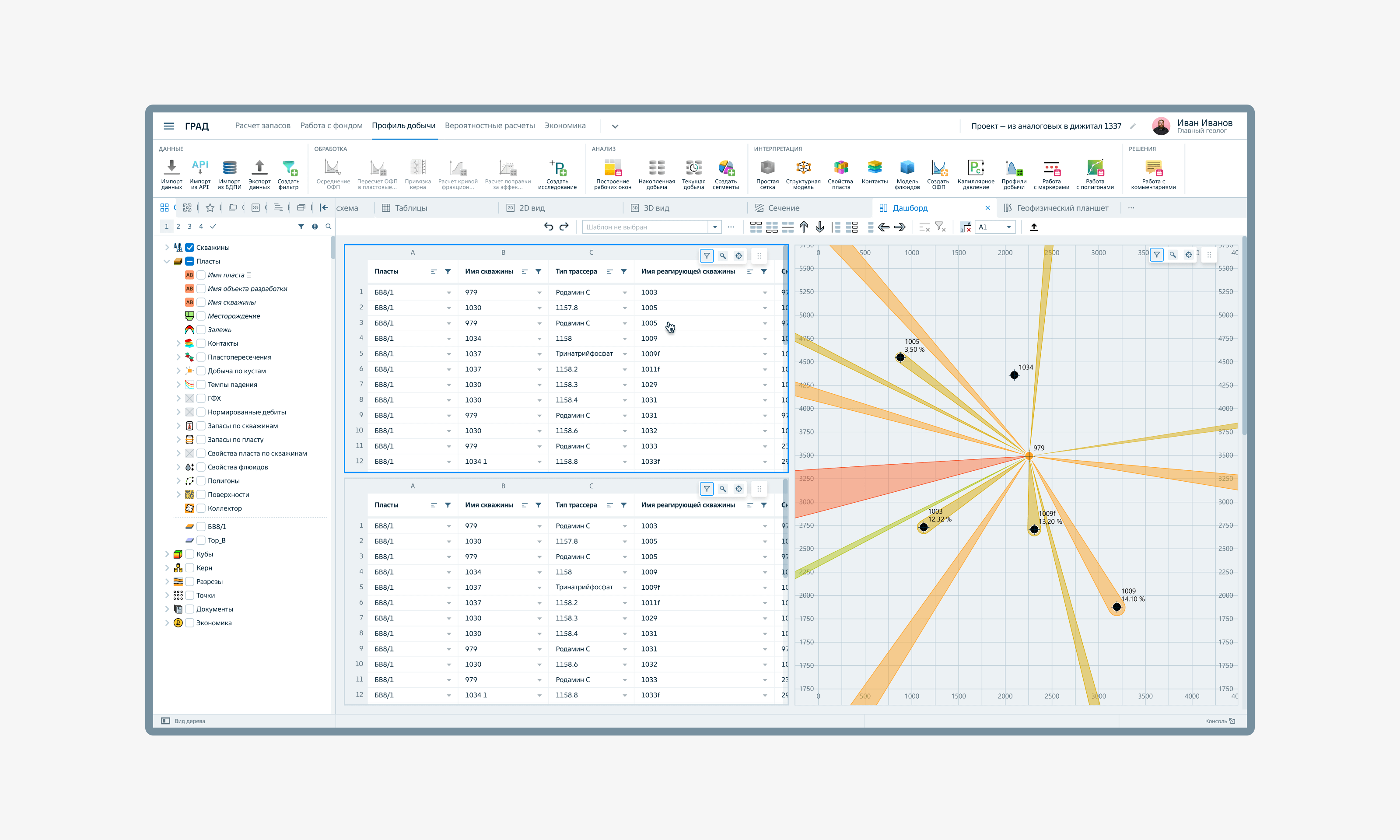
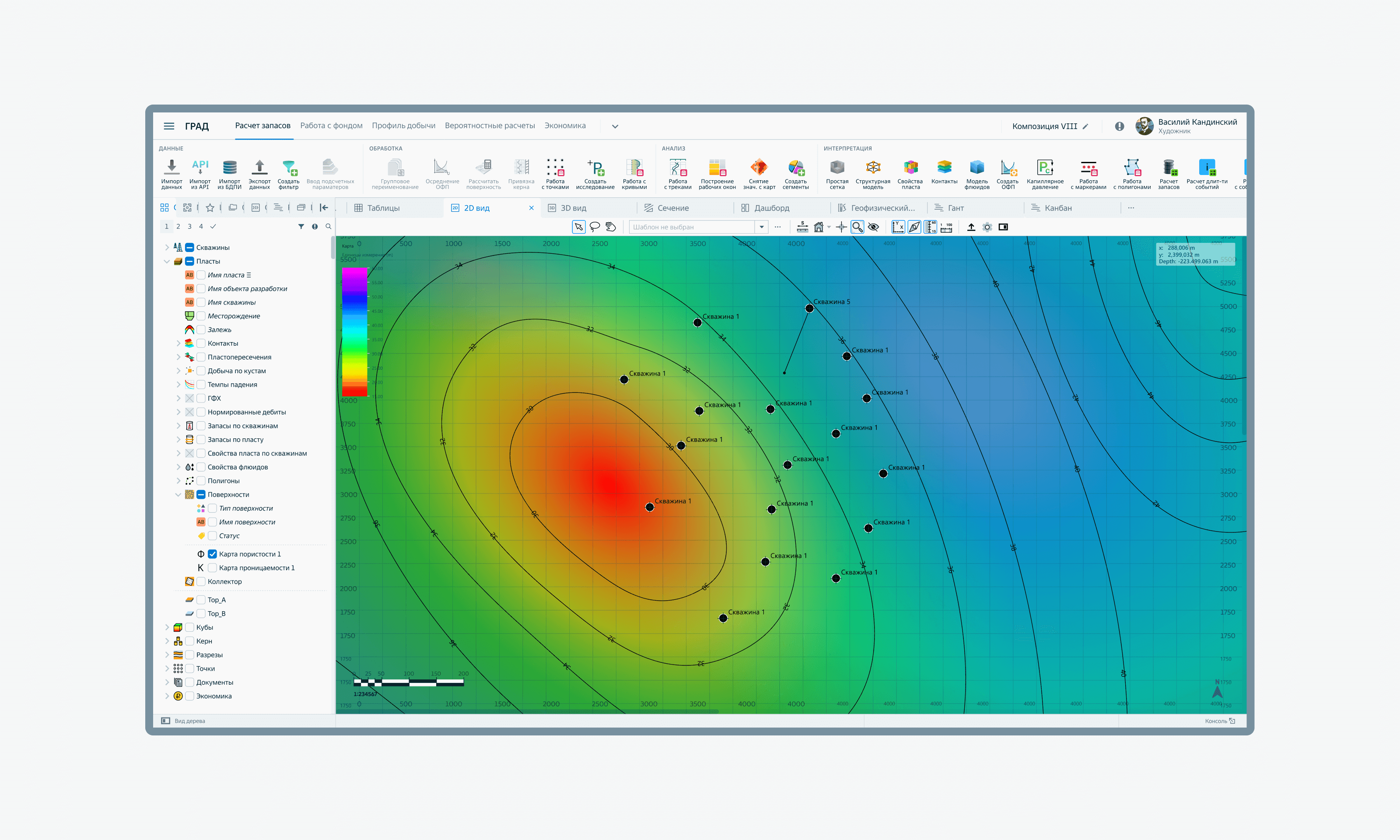
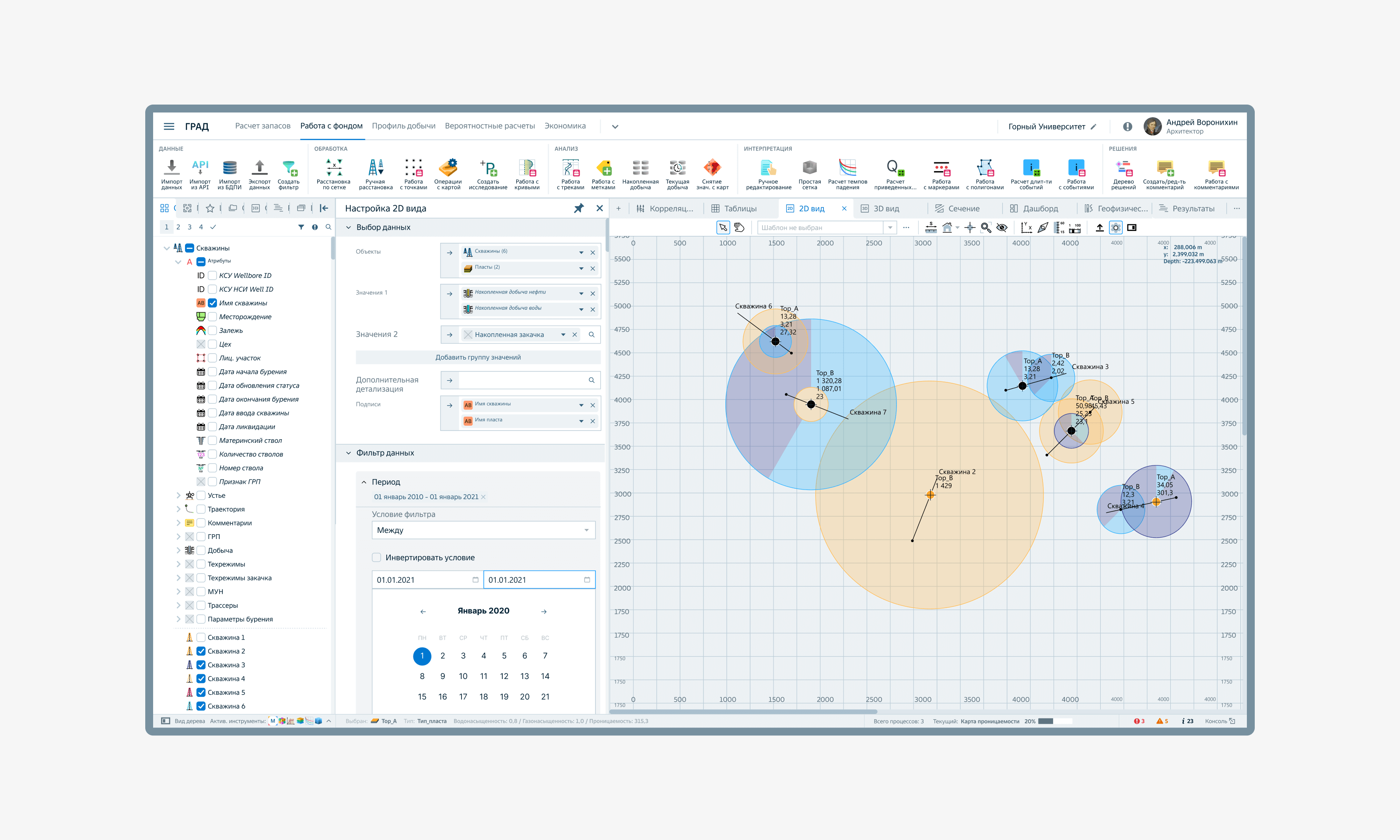
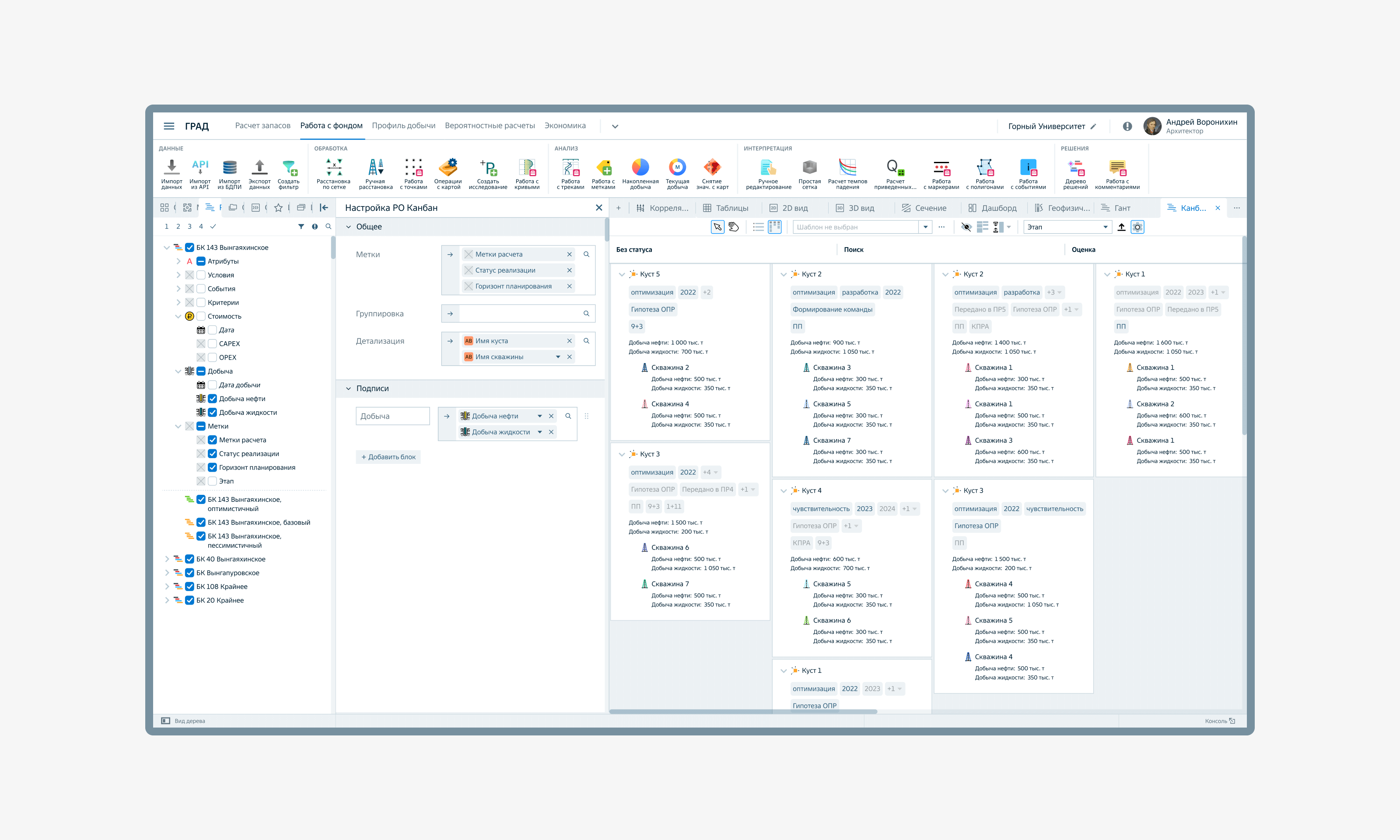
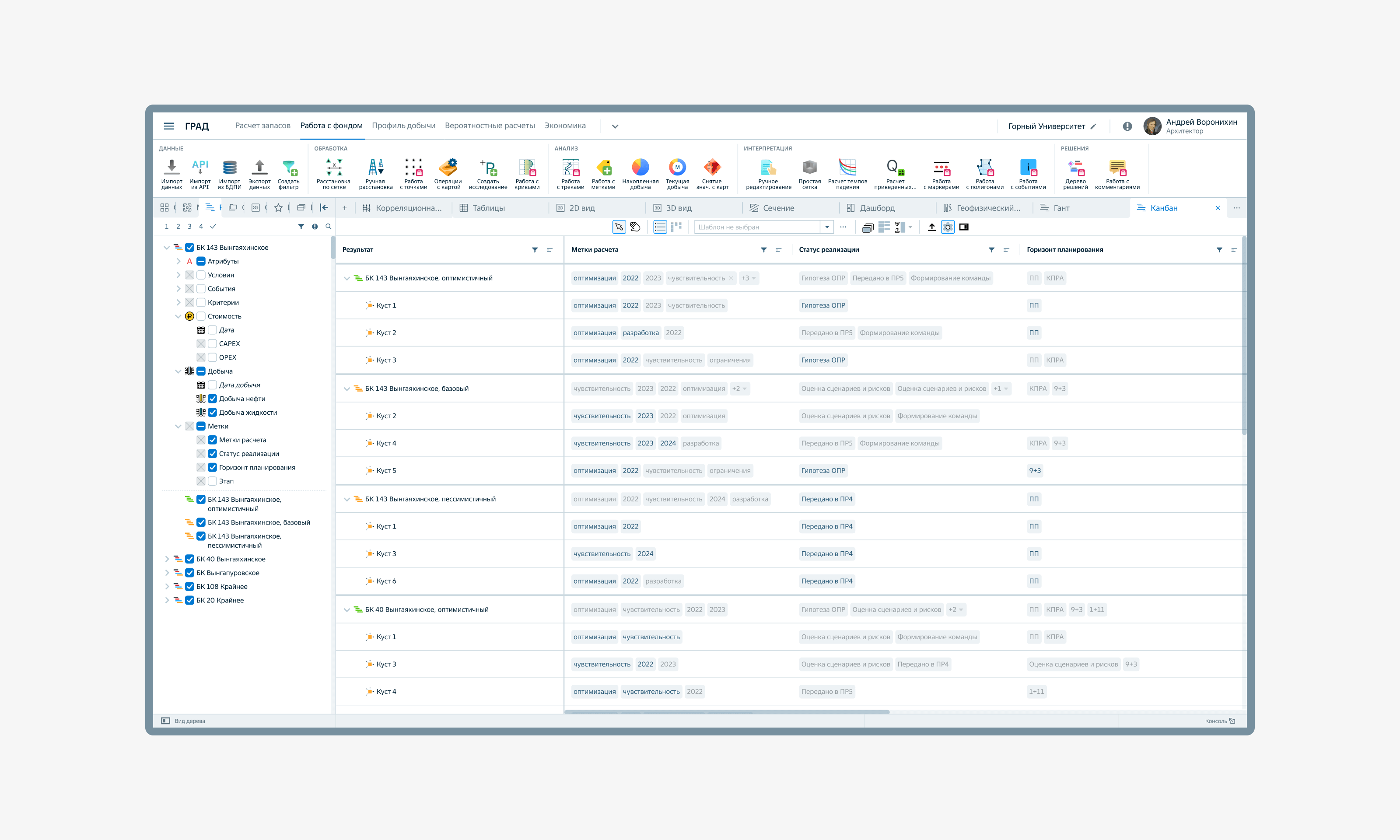
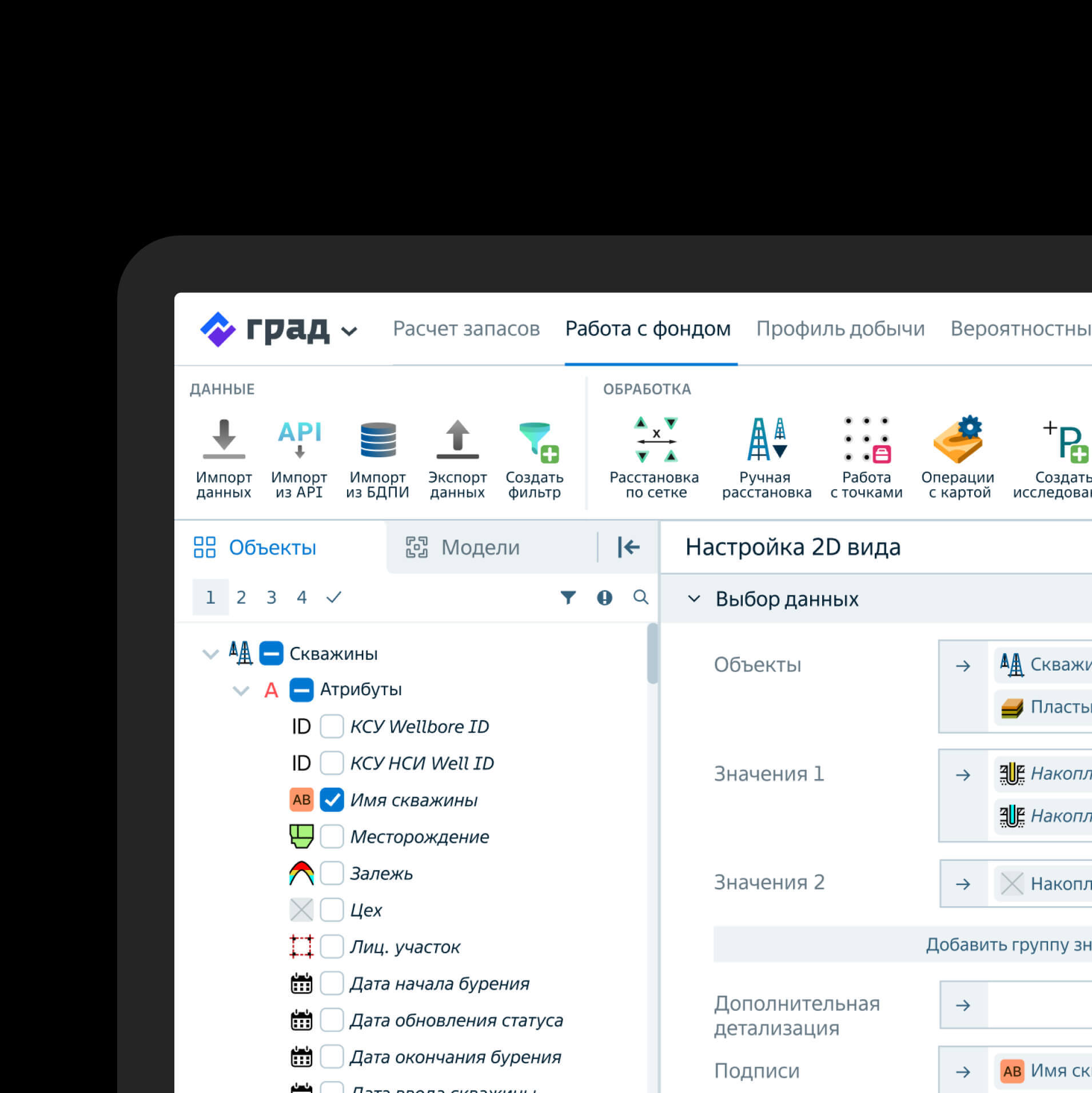
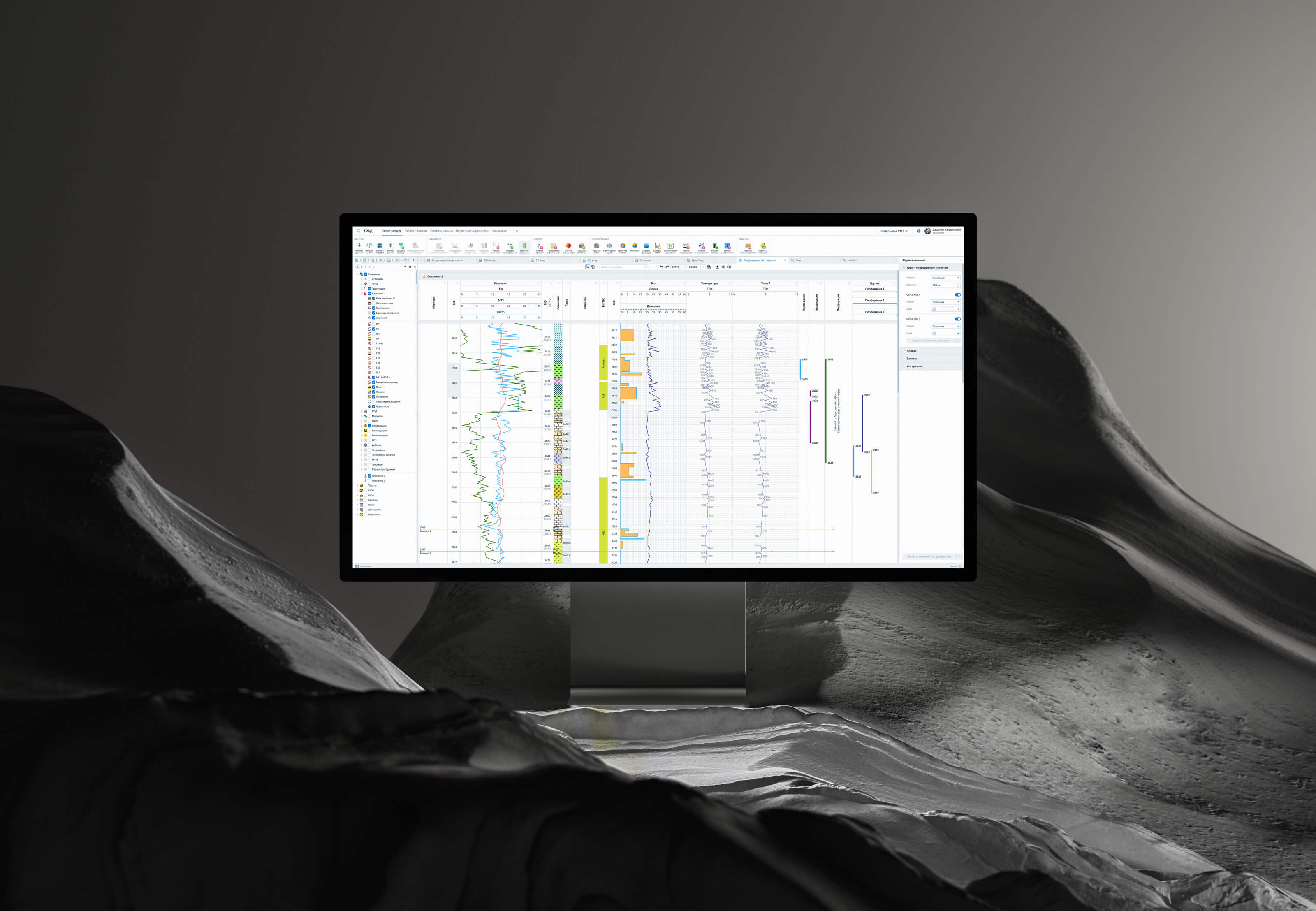
Web-application for data analysis in oil field development.
The service simplifies the work of geologists and analysts, who previously had to use 5–7 different services and applications. —GRAD has combined all the functionality in a platform of calculation and visualization modules.
Scalability, clear rules, and the speed of product and third-party plugin development are important for GRAD.
Tasks
Project design team-
1.
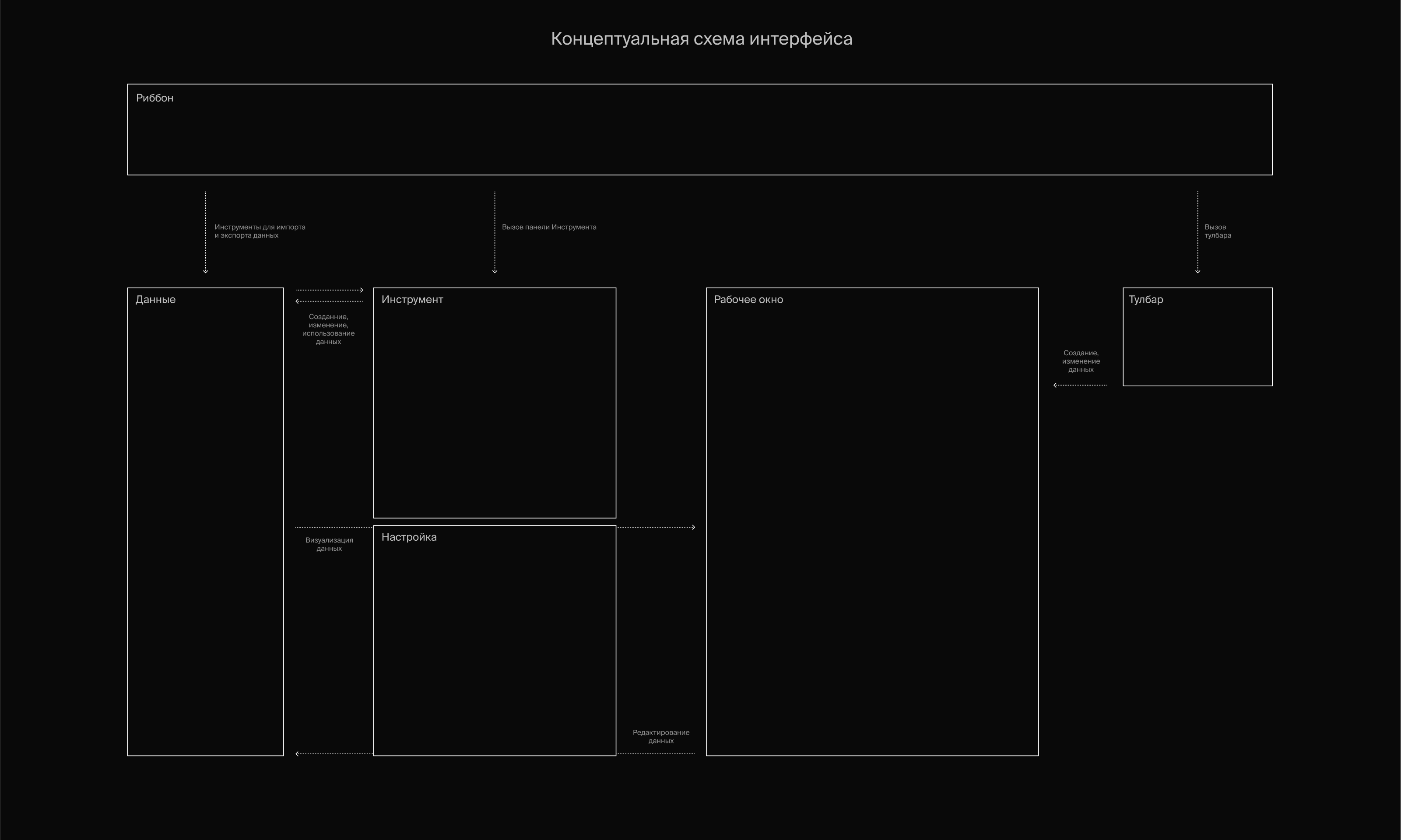
Think through the product's workflows and interface at a conceptual level
2.
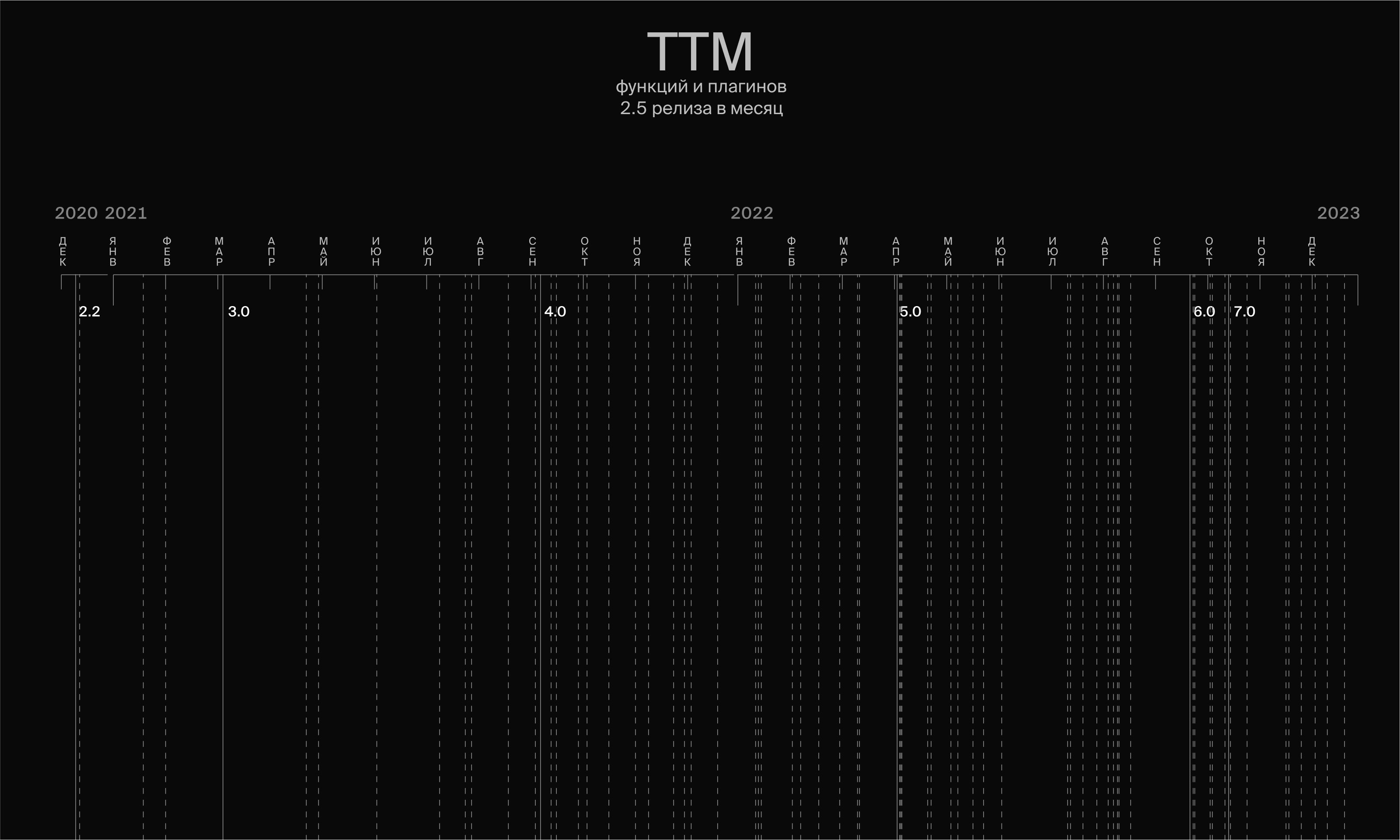
Standardize the design process as part of the project work and increase the TTM of new features
3.
Increase the HR-brand of the company and the project
1 design-lead
2 product designers
1 graphic designer
Key results

Organizing a design system, workspace, and checklists for designers

Organizing work according to JTBD and user-flow

Design-strategy for long-term development of the service and design-team

×4 operating speed
Users by main scenarios
0.66 → 8% employee-led adoption rate
Number of applications for training since launch
17 → 28% retention rate
Users after familiarization with the product and training
18 → 3 months TTM
Time to market for calculation and analytical tools
×3 designers' work speed
Accelerating the discovery and design of new features by applying AI to interactive prototypes
×1.55 designer efficiency
By redistributing the work of designers after training and implementation of checklists
Task 1
Think through the product's workflows and interface at a conceptual level
What has been done
Result
1.
Basic principles
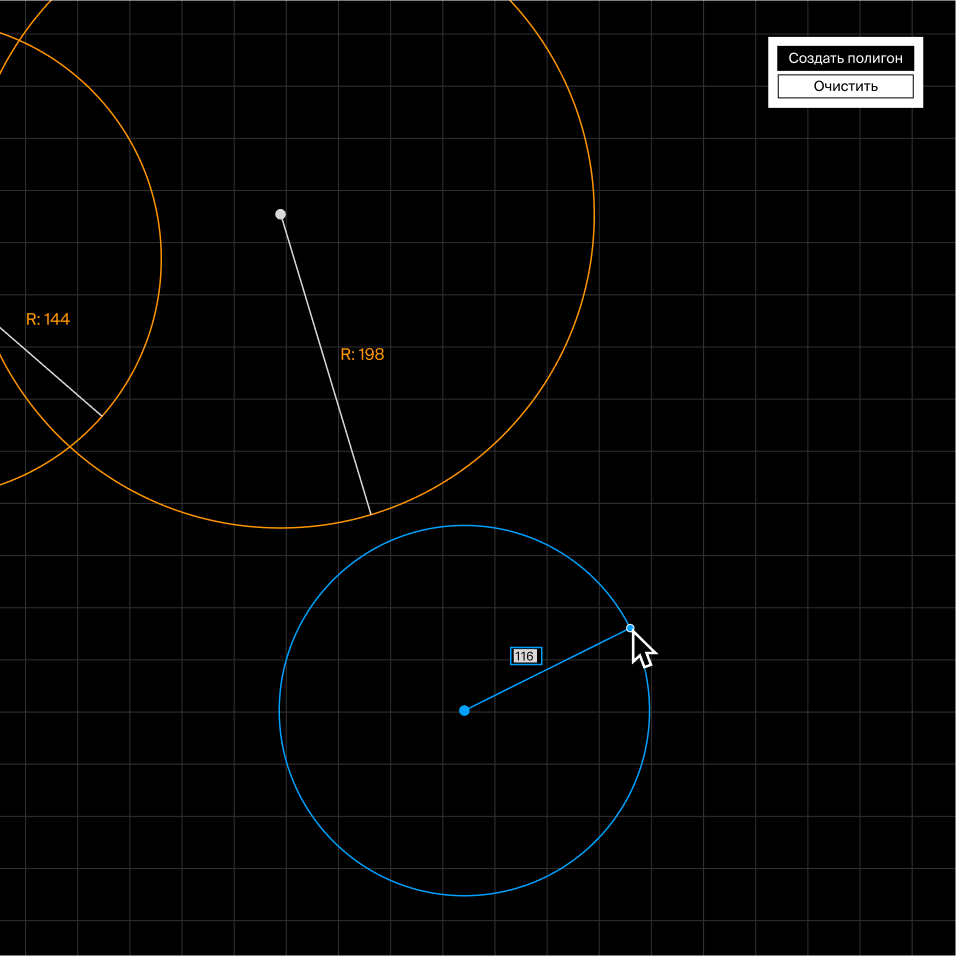
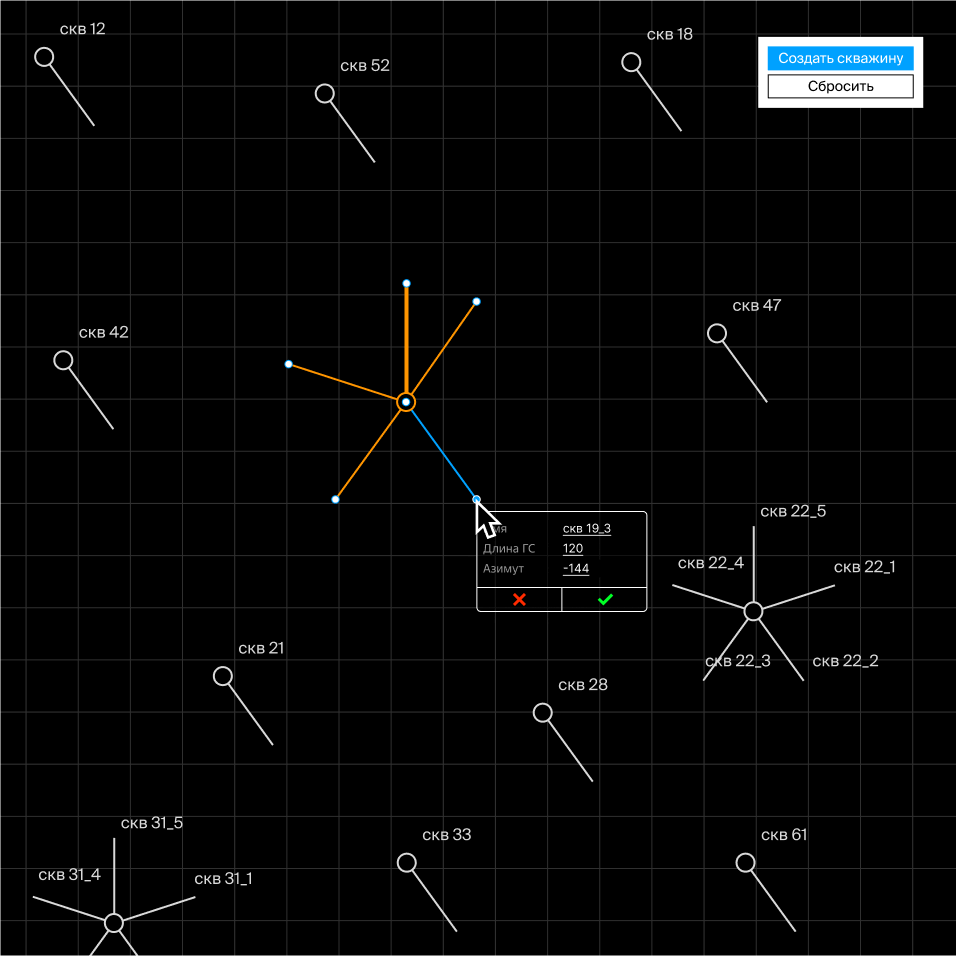
Interface limitations have been carefully considered, principles and rules have been established, and product guidelines have been proactively developed.
The product went through a stage of active growth and testing of dozens of hypotheses with minimal costs
Over the course of three years, the product was developed iteratively, maintaining the consistency of the interface.
Accelerated onboarding of new designers to the team
2.
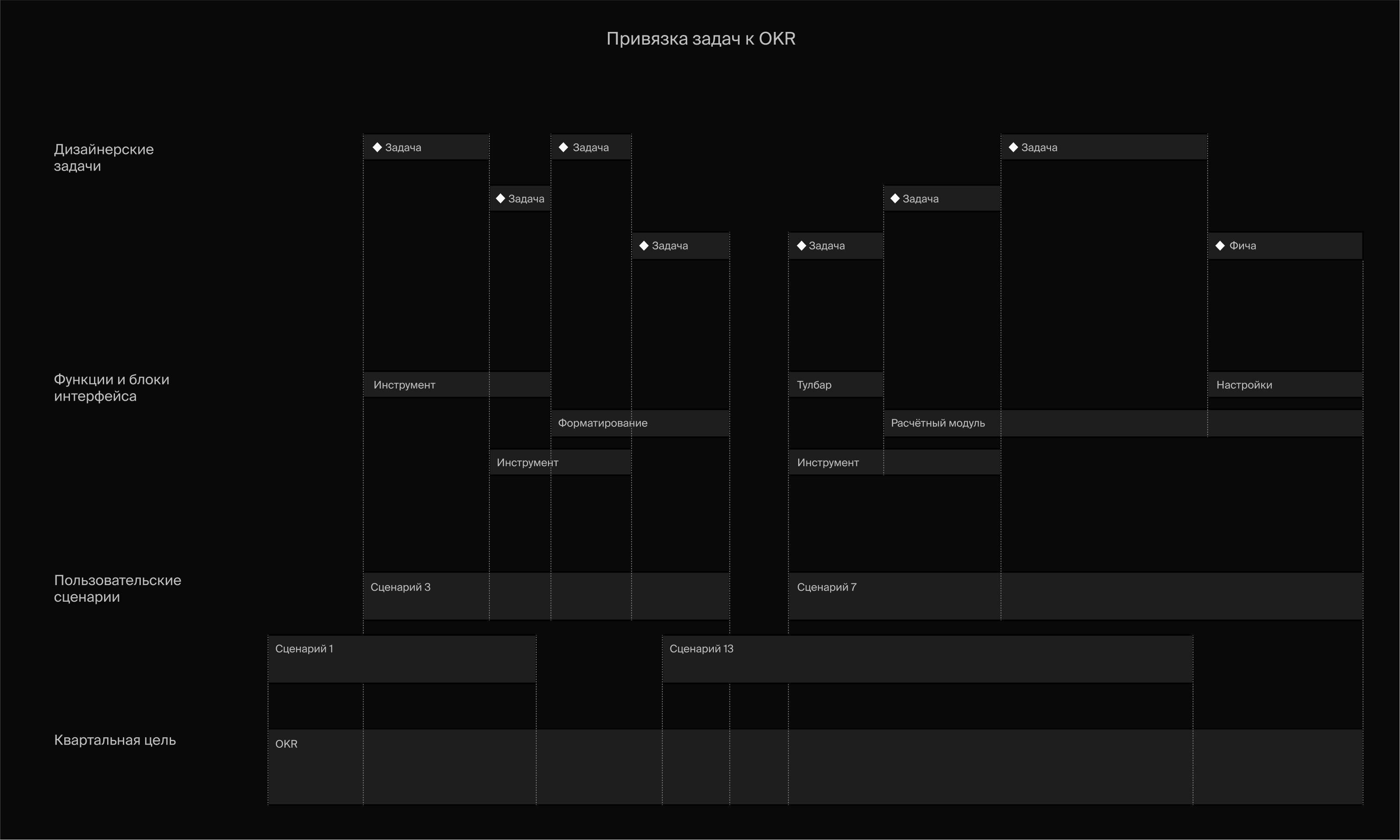
Linking design-tasks to OKRs
Mockup → JTBD → User Story → User Flow → OKR. The design task is linked to strategic goals. Over a hundred scenarios and interface nodes were designed, documented, and shared with business, analytics, and development for further implementation.
Each product feature is tied to a specific scenario and business-needs
Improves designers' understanding of context and helps businesses decompose tasks for the design and analytics departments.
3.
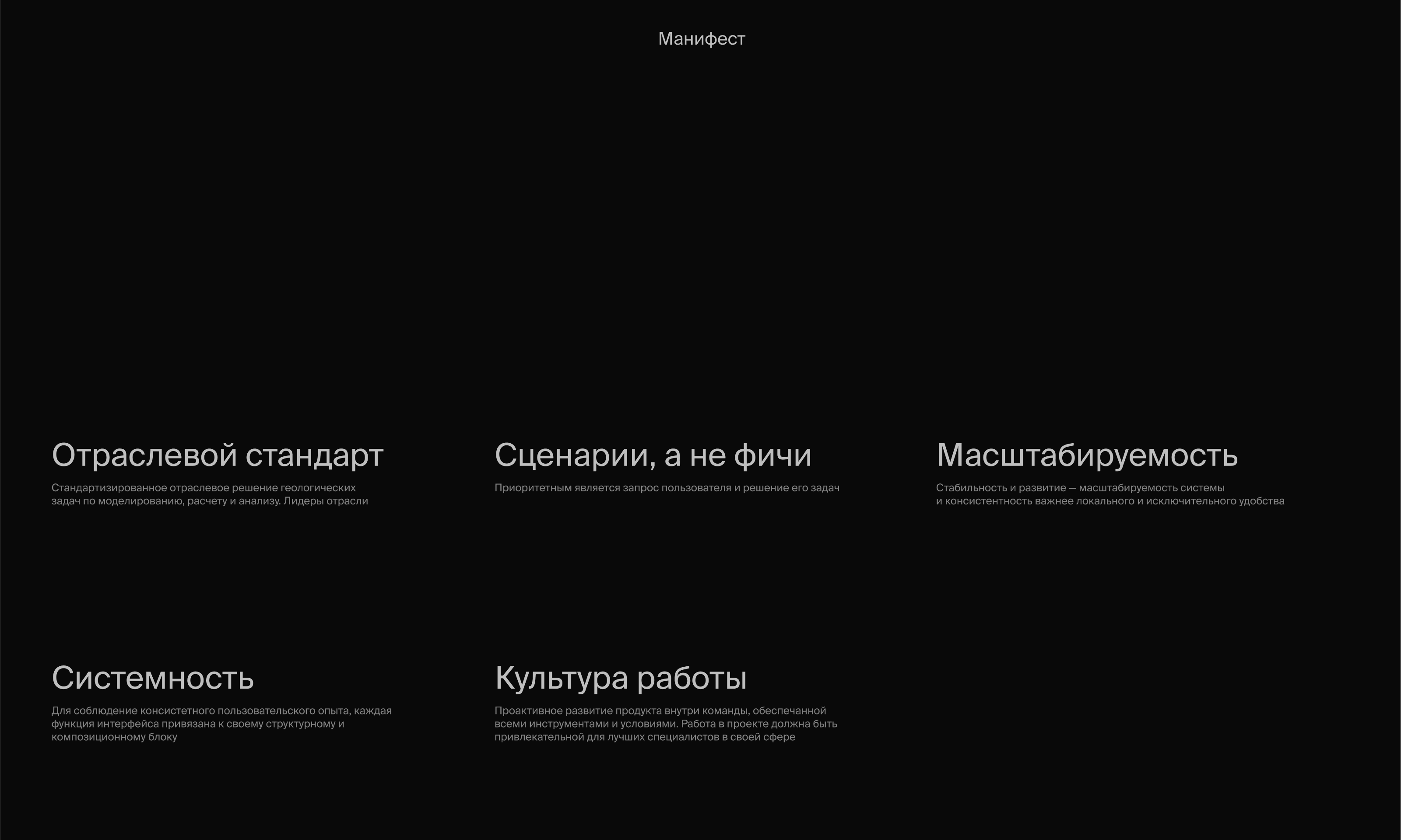
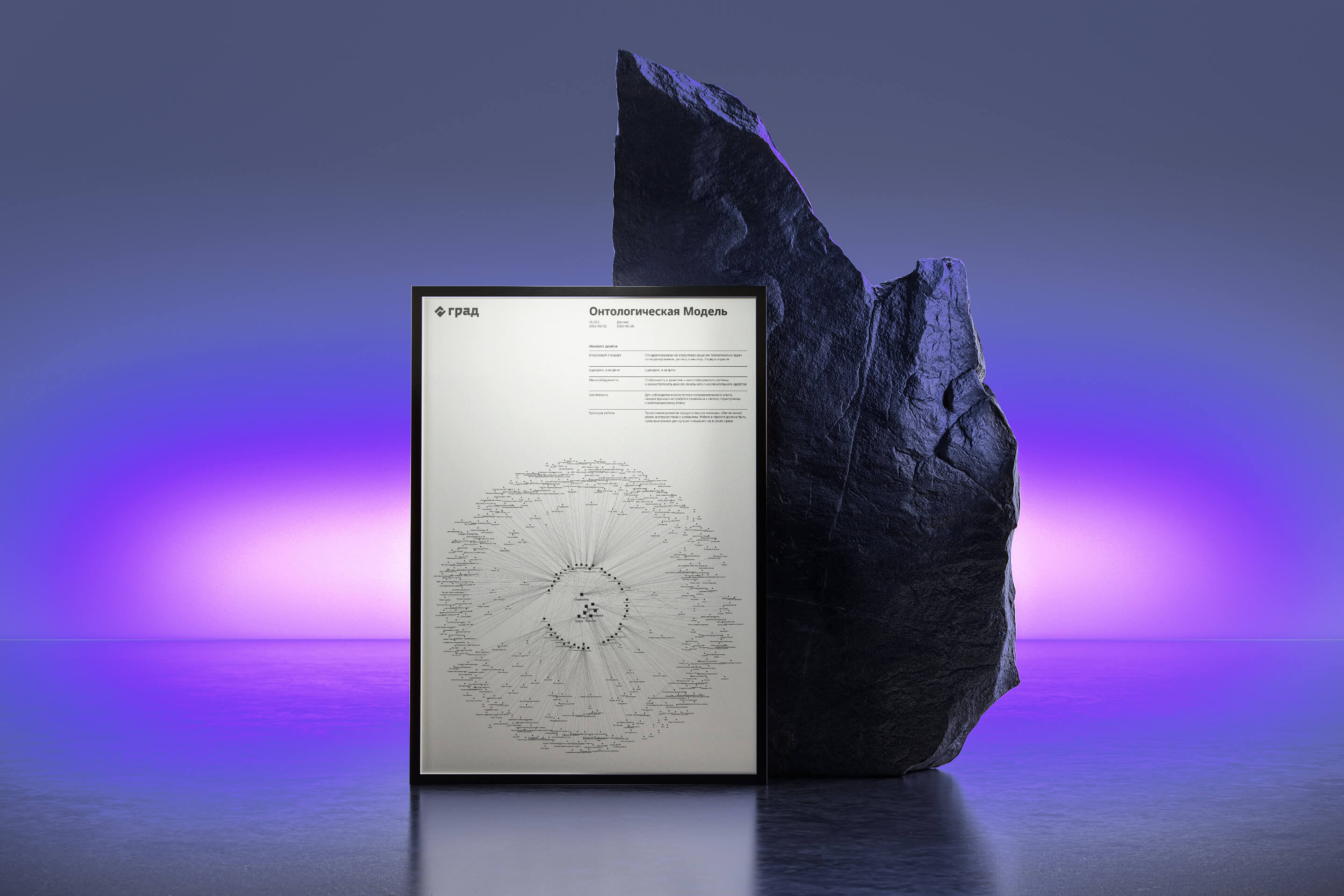
Design Manifesto
Basic principles for the work of designers, setting the direction and vector of movement.
Defines common goals, making design decisions easier
Cross-functional teams and managers share a common vision and expectations for design. Mutual understanding between business and designers has improved.
4.
Design-strategy, metrics
Following the launch, an analysis of the current design situation was conducted and a design-strategy for the next product life cycle was developed.
Business and product KPIs have been formulated for further development
Growth points for design and product have been identified
Problem 2
Standardize the design process as part of the project work and increase the TTM of new features
What has been done
Result
1.
Design principles
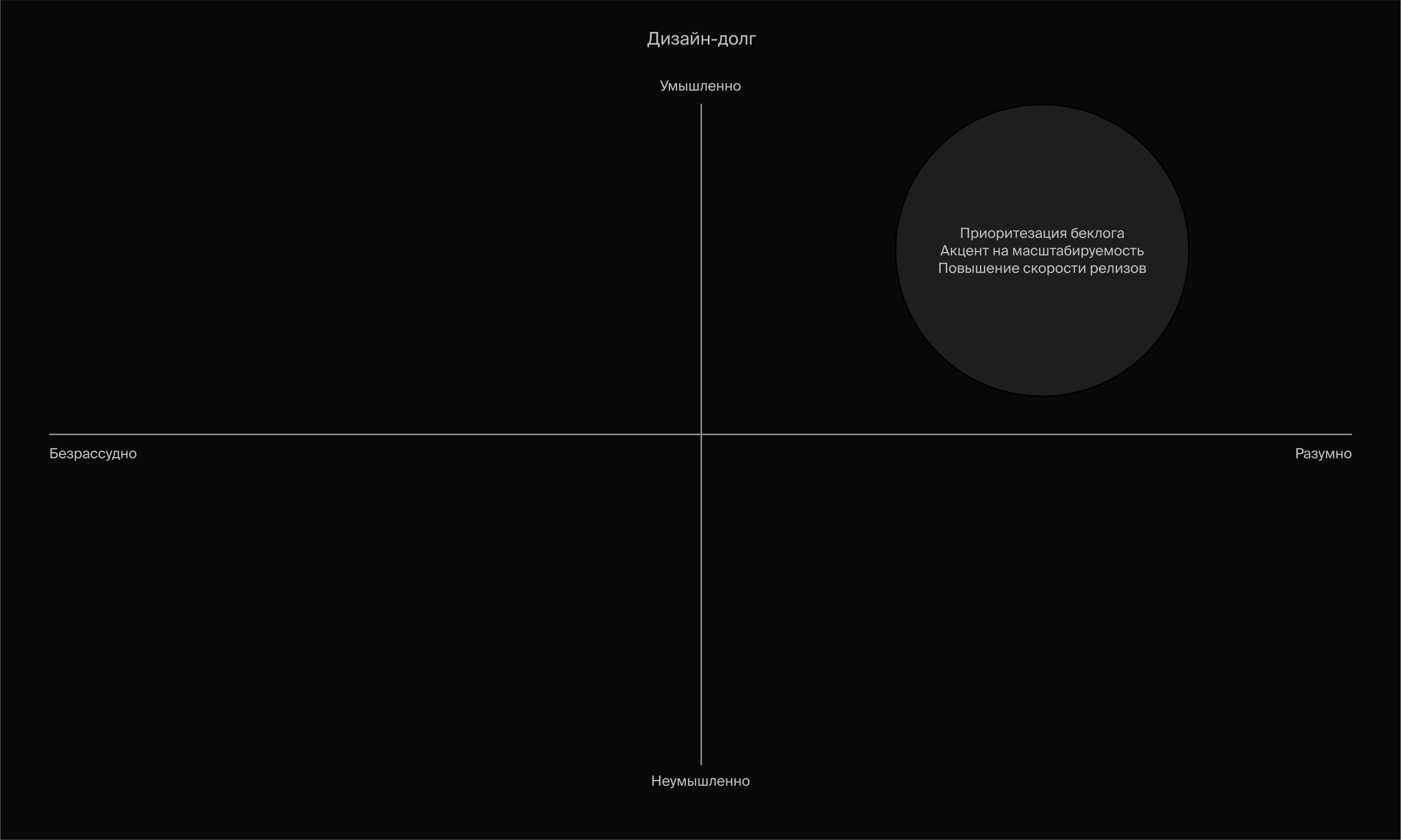
Design-layouts are divided into grades, the design-debt methodology is implemented in the work.
A common language of communication and mutual understanding of business-design-development
2.
Technological base for product development and scaling
Figma has organized space and built a file system for cross-functional and distributed teams: work, target, and production. Notion has created a task management space. Font analysis and procurement for the product.
The process of transferring design-mockups has been established in three scenarios: business, analytics and development
Designers from different teams integrate their usual processes into common requirements
Find any layout or script easily using the comprehensive table of contents
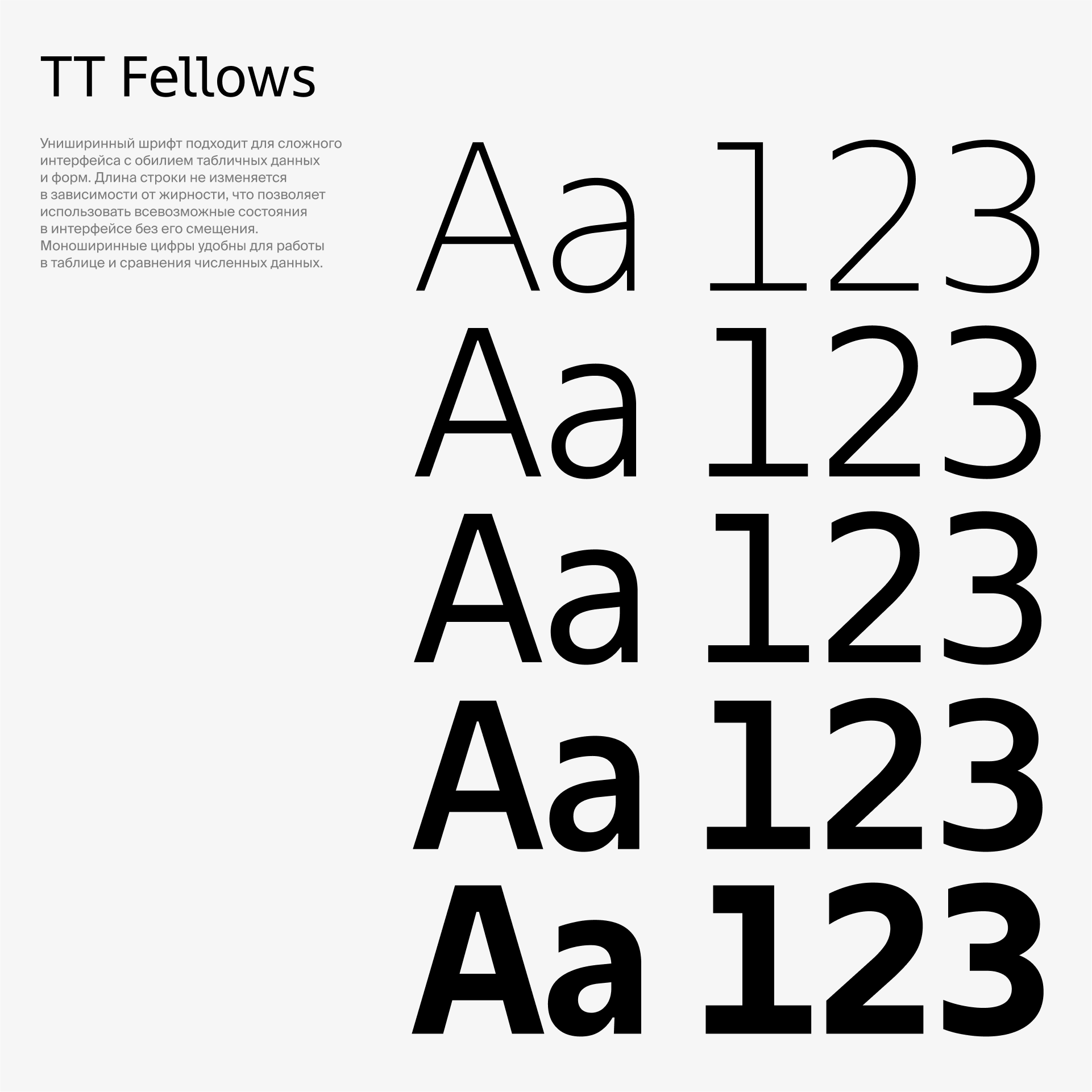
Display text and tabular data in convenient uni- and monospace formats, unique suffixes for data lists
What has been done
Result
3.
Design-library
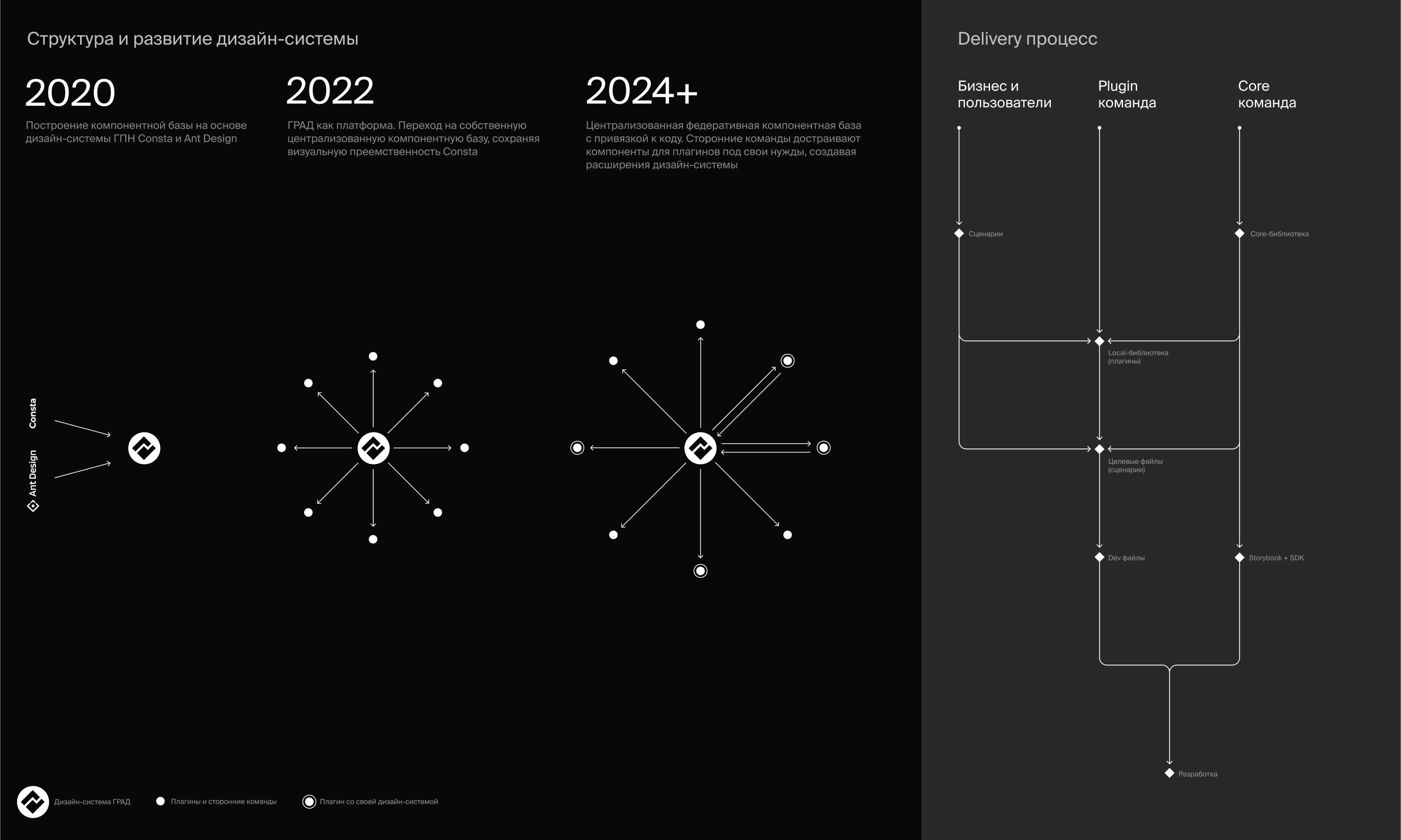
Creation of a component base based on the Consta and Ant Design design systems, taking into account the product context. Development of the library as a standalone library that can be used by independent contractor teams.
Continuity from standardized solutions of digital services of the corporation
Hundreds of layouts are linked to a single source and are updated and maintained.
Staying true to the overall corporate brand without sacrificing local convenience and flexibility
A prepared base for scaling the library into a full-fledged design-system
What has been done
Result
4.
Low-fi interactive prototypes
Testing new features and hypotheses using interactive prototypes for micro-DASH1 interactions. Building the prototype using the Cloude 3.5 neural network. Further development into a separate Discovery unit, consisting of a designer and a front-end DASH1 developer, is possible.
Design approval time has been reduced threefold by making features more visually visible early on.
Improved mutual understanding in cross-functional design teams: DASH1 analytics, DASH1 development
The number of redesigns after release has been reduced due to the ability to quickly test interactive features without waiting for them to be released from testing and sold.
What has been done
Result
5.
Product Vision Mockups
As a player-coach, I worked with the team to develop mockups that serve as a guide and source of truth for business, analytics, and development. The mockups are organized by semantics and then grouped into user scenarios.
Business always has target layouts at hand, analytics and development — have sprint-appropriate versions
A single source of design tasks for all contractors and the product team
Problem 3
Increase the HR-brand of the company and the project
What has been done
Result
1.
Hiring and developing a design team
Finding, interviewing, managing, and developing designers both on the contractor side and within the product team.
Designers of various specializations are available for work: graphic and product
2.
Conducting lectures and webinars
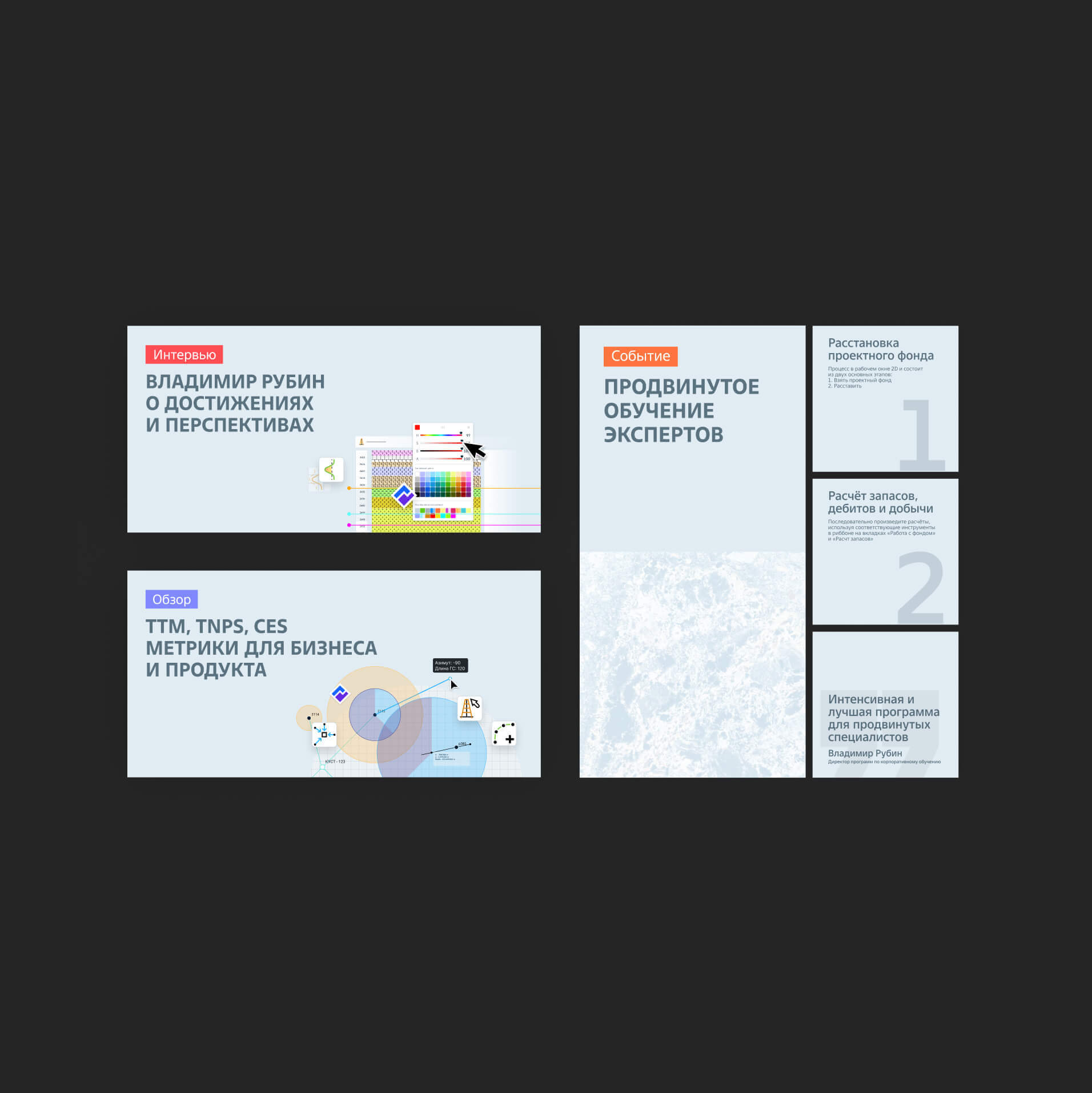
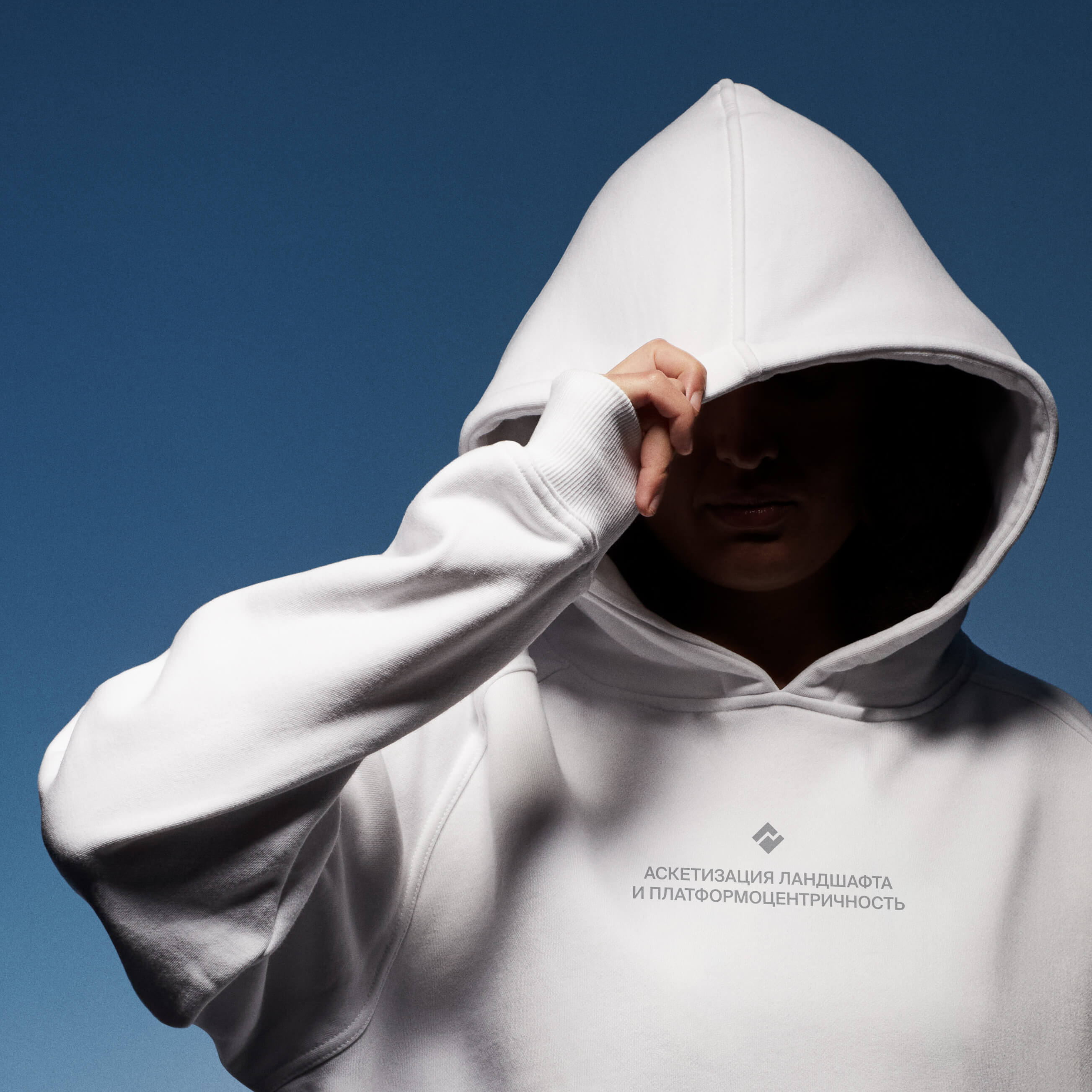
Organizing weekly meetings for designers from distributed teams. Lectures and webinars for external designers on product and design methodology, as well as on design development within the company. Developing a brand and product merchandise.
Attracting and motivating strong designers in an environment of constant redesigns and changing requirements
Promoting the design profession in the corporate environment
Increasing business trust in designers
Improving motivation, cohesion, and team spirit within the DASH1 product design team
3.
Product branding, merch design
Following the launch, an analysis of the current design situation was conducted and a design-strategy for the next product lifecycle was developed. The design-team was trained in using the product.
Business and product KPIs have been formulated for further development
Growth points for design and product have been identified
Designers are immersed in the context of user work and have a better understanding of industry solutions
4.
Telegram channel branding
The parent product's Telegram channel, DASH1, has been branded. A publication builder and content preparation guide have been compiled, including solutions for photo and text processing.
Designers of various specializations are available for work: graphic and product
A single source of news about activity, training, and updatesGRAD for users and affiliates

Project design team-

Additional materials

Other regular customers

Customer or project
Year
Role
Context
GRAD
2025 ← 2020
Art-director
Launch of a service for geologists, a stage of hypotheses and active development
St. Petersburg Digest
2025 ← 2018
Art-director
Launch of a periodical, design-layout and concept development
Praxis Group
2024 ← 2019
Art-director
Leading project teams, creating concepts for annual reports
1+N
2021 ← 2020
Art-director
Concept and design of a corporate monitoring system
NWCC
2020 ← 2014
Art-director
Supporting the company in the communications and digital environment
Mad Espresso Team
2015 – 2020
Art-director
Launching a coffee shop, developing a concept, and scaling
Loudy
2019
Senior designer
Launching a Music Startup, Forming a Business Model
Grower Cosmetics
2019
Designer
Branding, launch, and development of organic cosmetics
MuseumFabergé
2018 ← 2014
Designer
Developing the museum after opening, launching temporary exhibitions and events
Cascara
2017
Art-director
ERP system for managing a coffee shop chain. Web + iOS app
Terminal Design
2013
Designer
Project work for agency clients
Erarta
2012 ← 2010
Designer
Opening of the museum, formation of new directions